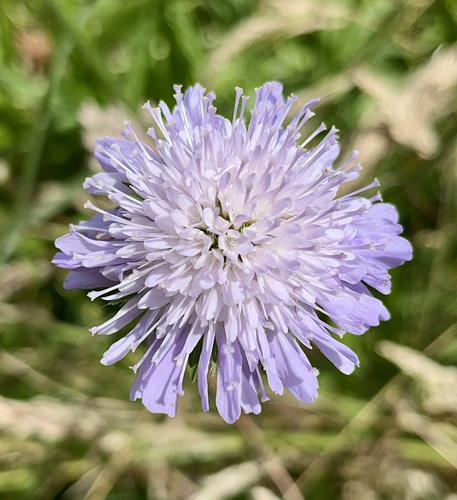
Is this in your garden?
Take a photo and Garden Rescue will tell you what you actually have, and what it needs this week.
Get the iPhone app Scan on the webField Scabious
Knautia arvensis
Also called Pincushion Flower, Bluebuttons, Meadow Scabious
About Field Scabious
Field Scabious is a hardy perennial with soft lilac pincushion blooms on tall, airy stems. Bees and butterflies love it all summer long. It thrives in well-drained, sunny spots and tolerates dry spells once settled.
- Type
- Herbaceous perennial
- Height
- 24–36 in
- Spread
- 18–24 in
- Sun
- Full sun
- Water
- Low to medium once established
- Soil
- Well-drained, chalky or sandy loam
- Hardiness
- Hardy to -20 °F
- Flowers
- July to September
- Growth
- Clump-forming with tall flowering stems
- Toxicity
- Not known to be toxic
- Native to
- Europe and western Asia
How to recognise it
- Dome-shaped lilac-purple flower heads
- Slender, wiry stems with rough hairs
- Deeply lobed green leaves at the base
- Bristly green seed heads after flowering
Caring for Field Scabious
Watering
Every 8 days- How often
- Once every 7 to 10 days
- How much
- Soak the root zone with 1 gallon per clump
- When
- Morning
- Tips
- Water the soil directly. Sprinklers can make the tall stems flop over.
Feeding
- How often
- Once a year in spring
- What to use
- Organic compost or balanced slow-release feed
- When
- Early spring
- How
- Scatter 1 handful around the base of the clump
Pruning
- When
- Autumn or late winter
- How
- Cut spent flower stems down to basal leaves to tidy up, or leave seed heads for birds.
- Tips
- Always use clean, sharp hand pruners.
Jobs it will ask for
- Snip off old flower heads Cut faded flowers back to a side bud to squeeze out a few more autumn blooms.
- Clear fallen dry debris Remove dry stems around the base to keep good air flow as wet autumn weather arrives.
Through the year
Spring
Feed the clump with a layer of compost when green rosettes appear.
Summer
Deadhead spent blooms regularly to keep new flowers coming all summer.
Autumn
Let late seed heads ripen to feed visiting garden birds.
Winter
Cut old hollow stems to the ground before new growth starts in spring.
What to watch for
- Powdery mildew
- Thin out crowded stems and avoid wetting leaves when watering.
- Flopping stems
- Support tall stems early in summer with twiggy hazel branches or plant rings.
Reference photos
Compare what's in your garden with confirmed photos of Field Scabious.
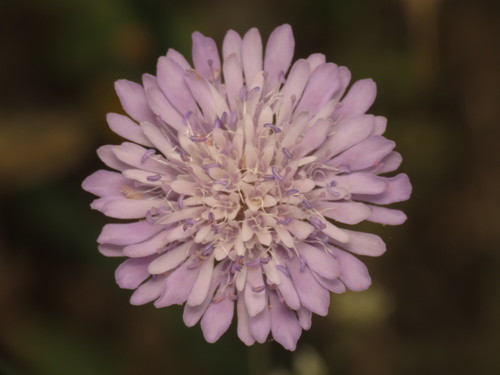
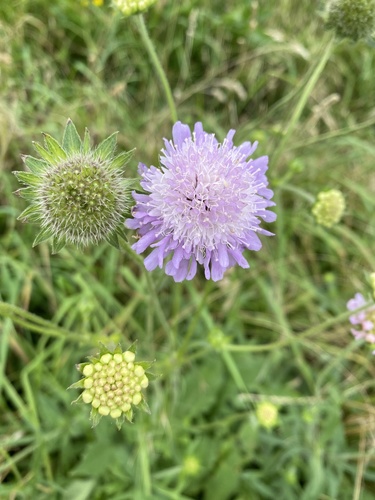
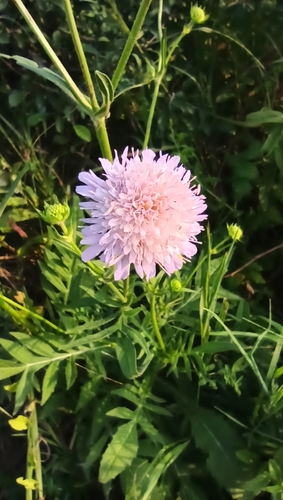
Photos from iNaturalist contributors.
Written by Garden Rescue from photo identifications, in US units. Local advice from your extension service or garden centre beats a general guide.