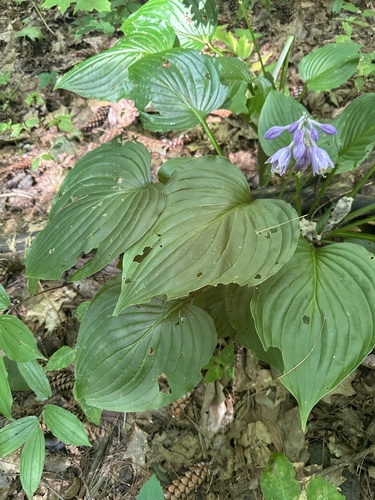
Is this in your garden?
Take a photo and Garden Rescue will tell you what you actually have, and what it needs this week.
Get the iPhone app Scan on the webHosta
Hosta spp.
Also called Plantain Lily, Funkia, Giboshi
About Hosta
Hostas are shade-tolerant herbaceous perennials grown primarily for their lush, broad foliage and tall summer flower spikes. They thrive in damp, fertile woodland conditions and are staples in shade borders and woodland gardens. The leaves naturally die down completely after the first hard frosts of autumn.
- Type
- Herbaceous perennial
- Height
- 40–80 cm
- Spread
- 60–100 cm
- Sun
- Partial shade to full shade
- Water
- Medium to high, prefers consistently moist soil
- Soil
- Moist, humus-rich, well-draining soil
- Hardiness
- Hardy to -30 °C
- Flowers
- July to September
- Growth
- Clump-forming mound
- Toxicity
- Toxic to dogs, cats, and horses (contains saponins)
- Native to
- East Asia (Japan, China, Korea)
How to recognise it
- Broad, heart-shaped to ovate leaves with prominent parallel veins
- Mound-forming herbaceous perennial habit
- Spikes of bell- or funnel-shaped pale lilac to white flowers
- Smooth, lush leaf blades that capture moisture well
Caring for Hosta
Watering
Every 5 days- How often
- Once or twice a week depending on rainfall
- How much
- Water thoroughly at the base with 10–15 litres per square metre
- When
- Morning
- Tips
- Target the soil directly beneath the foliage canopy to avoid wet leaves overnight, which invites fungal issues and slugs.
Feeding
- How often
- Halt feeding now for autumn dormancy
- What to use
- Balanced organic compost or general fertiliser
- When
- Spring and early summer only
- How
- Do not feed in autumn; top-dress with well-rotted compost in late winter or early spring instead.
Pruning
- When
- Late autumn or early winter, once frost collapses the leaves
- How
- Cut all spent flower scapes to the base now, and cut frost-blackened leaves down to ground level after they die back.
- Tips
- Removing collapsed foliage promptly in late autumn deprives overwintering slugs and snails of shelter.
Jobs it will ask for
- Cut back spent flower stalks Snip the flowering scape down near the crown once the blooms fade to redirect energy back into the rhizome.
- Clear fallen leaf debris around the base Keep the crown free of dead matter to discourage slugs from laying eggs before winter.
- Apply a winter mulch layer Spread a 5 cm layer of compost or bark mulch around the crown once top growth dies back to protect roots and improve soil.
Through the year
Spring
Apply organic mulch, protect emerging shoots from early slug feeding, and divide overgrown clumps as new tips spear up.
Summer
Keep the soil consistently moist during hot spells and enjoy the tall flower spikes.
Autumn
Deadhead spent flowering spikes, divide mature clumps if desired, and remove dying foliage after the first frost.
Winter
Allow the plant to rest fully dormant underground under a protective layer of organic mulch.
What to watch for
- Slugs and snails chewing ragged holes in leaves
- Apply biological nematodes in spring, surround crowns with copper barriers or grit, and handpick pests at night.
- Leaf scorch and bleached, papery leaf patches
- Relocate the plant to a shadier position sheltered from harsh midday or afternoon direct sunlight.
Reference photos
Compare what's in your garden with confirmed photos of Hosta.
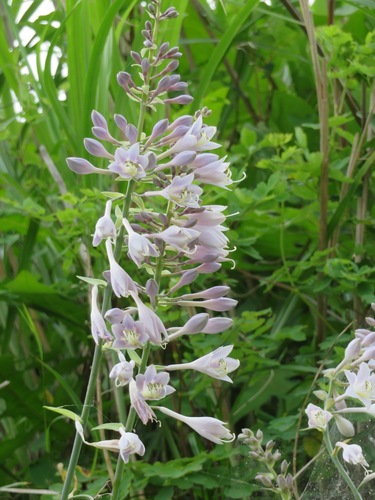
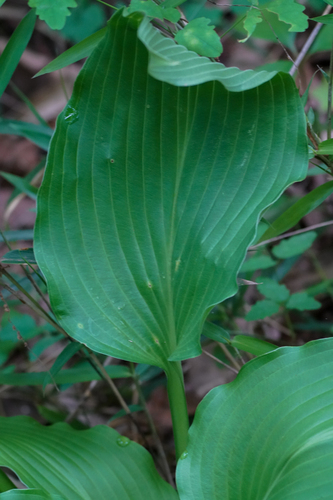
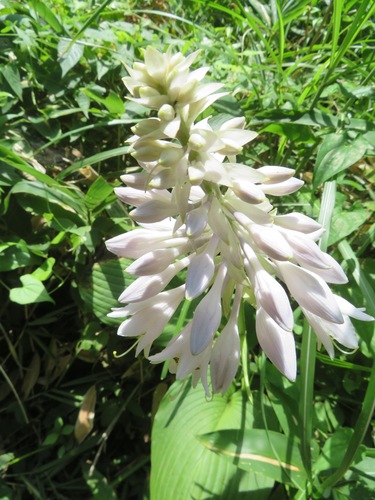
Photos from iNaturalist contributors.
Written by Garden Rescue from photo identifications, in metric units. Local advice from your extension service or garden centre beats a general guide.