
Is this in your garden?
Take a photo and Garden Rescue will tell you what you actually have, and what it needs this week.
Get the iPhone app Scan on the webPerennial Ryegrass
Lolium perenne
Also called English Ryegrass, Ray Grass, Winter Ryegrass
About Perennial Ryegrass
Perennial ryegrass is the backbone of temperate lawns across Ireland and Northern Europe due to its rapid germination and exceptional wear tolerance. It establishes quickly from seed, producing a lush, deep green turf that recovers swiftly from heavy foot traffic. It thrives in cool, moist maritime climates but requires consistent mowing and feeding to stay dense.
- Type
- Lawn grass
- Height
- 2–4 in (maintained lawn)
- Spread
- 6–12 in (clumping tillers)
- Sun
- Full sun to partial shade
- Water
- Moderate; thrives with consistent moisture
- Soil
- Moist, fertile, well-draining loam
- Hardiness
- Hardy to -15 °F
- Flowers
- May to July if left unmown
- Growth
- Clump-forming bunchgrass
- Toxicity
- Not known to be toxic
- Native to
- Europe, temperate Asia, and North Africa
How to recognise it
- Bright green, upright blades with pointed tips
- Glossy underside on leaf blades
- Forms dense, fast-growing tillers without spreading rhizomes
- Reddish-purple coloration often visible at the base of the stems
Caring for Perennial Ryegrass
Watering
Every week- How often
- Once a week during dry spells
- How much
- About 1 in per week including rainfall
- When
- Early morning before the sun peaks
- Tips
- In an Irish autumn, natural rainfall is often sufficient; avoid overwatering to deter moss development.
Feeding
Every 45 days- How often
- Once in early autumn
- What to use
- Autumn lawn fertilizer high in potassium and lower in nitrogen
- When
- September to early October
- How
- Broadcast evenly across dry grass before gentle rain or water in lightly
Pruning
- When
- Not applicable to turf grass
- How
- Mow rather than prune
- Tips
- Maintain sharp mower blades to avoid tearing the leaf tips.
Mowing
Every week- Height
- 1.5–2.5 in
- How often
- Once a week during active autumn growth
- Pattern
- Alternate mowing direction each session to encourage upright growth
- Tips
- Never cut off more than one-third of the total blade height in a single cut.
Jobs it will ask for
- Aerate compacted lawn areas Use a hollow-tine aerator or garden fork to punch holes 3 to 4 inches deep, relieving compaction before winter rains.
- Overseed thin lawn patches Rake open any bare spots, scatter fresh perennial ryegrass seed, and tamp down lightly to thicken the turf before temperatures fall.
- Clear fallen autumn leaves Rake or blow fallen leaves off the grass weekly so the turf receives full sunlight and does not yellow underneath.
Through the year
Spring
Scarify lightly to remove winter thatch, apply a nitrogen-rich spring fertilizer, and resume regular mowing as temperatures warm.
Summer
Mow regularly, raising blade height slightly during warm or dry spells, and irrigate deeply if drought conditions occur.
Autumn
Aerate, overseed thin spots, apply a potassium-rich autumn fertilizer to fortify roots against frost, and clear fallen leaves.
Winter
Minimize foot traffic on frosty or waterlogged turf and keep mower blades off until sustained spring growth resumes.
What to watch for
- Lawn moss invasion
- Aerate soil to improve drainage, reduce shade where possible, and apply an autumn lawn sand or moss control treatment if needed.
- Red thread fungus
- Improve air circulation, apply a light nitrogen feed in early autumn to help the grass outgrow the disease, and avoid late evening watering.
Reference photos
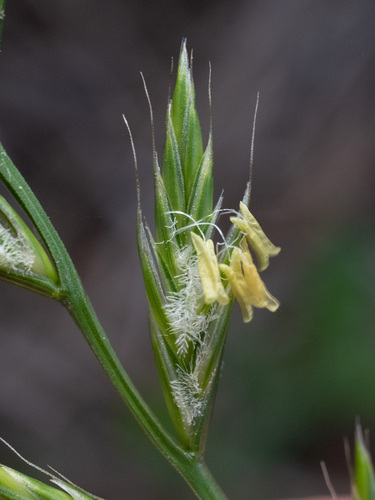
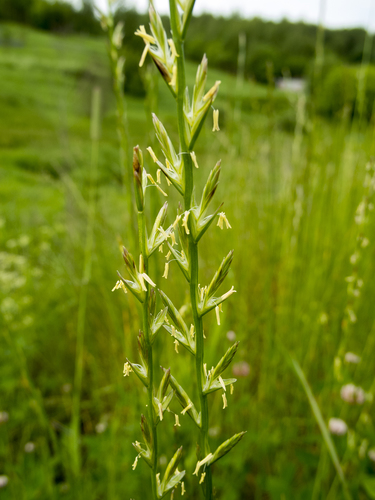
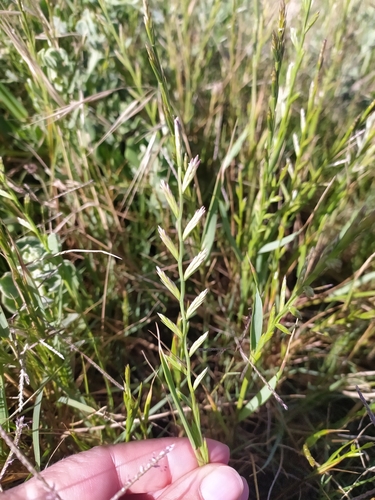
Compare what's in your garden with confirmed photos of Perennial Ryegrass.
Photos from iNaturalist contributors.
Written by Garden Rescue from photo identifications, in US units. Local advice from your extension service or garden centre beats a general guide.